


The Science of Play: Why Kids Need Active Movement Daily
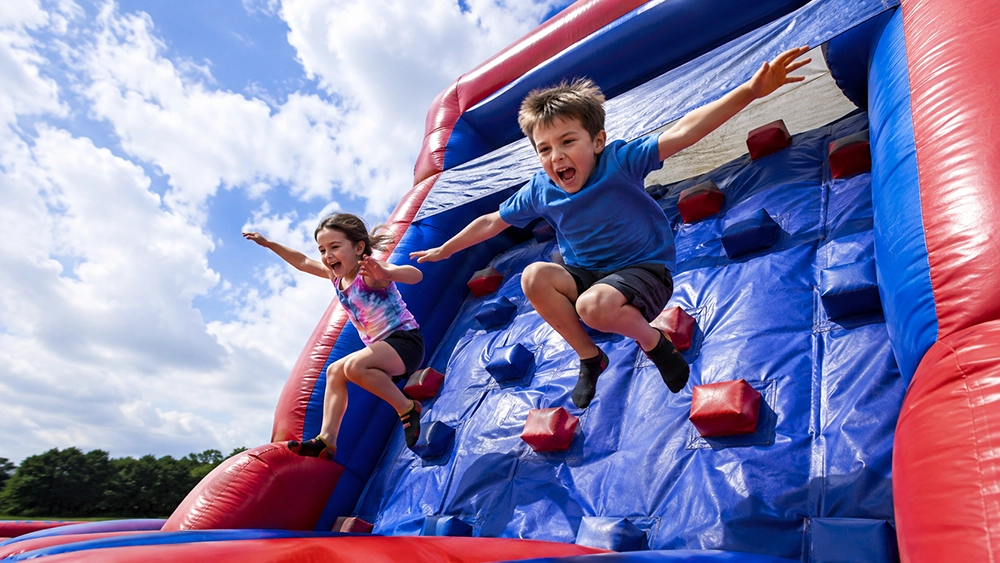
From brain development and emotional regulation to motor skills and sleep, science proves that active play isn’t a distraction from learning—it is the foundation of it.
1. Physical Development: Building Structural Strength Beyond the Basics
When children run, jump, climb, crawl, and bounce, their bodies execute complex physical adaptations that cannot be replicated by sedentary or classroom-based instruction.
Gross Motor Skill Mastery and Motor Planning
Gross motor skills involve the large muscle groups that control balance, coordination, spatial orientation, and movement. Navigating physical obstacles—such as climbing an inflatable wall, balancing across a soft beam, or jumping onto a landing pad—forces the brain to engage in complex motor planning. Motor planning is the ability to conceive, organize, and carry out a sequence of unfamiliar actions. Kids who practice dynamic movement develop superior body awareness (proprioception) and agility that protect them from injury in daily life.
Bone Density and Muscular Adaptations
Childhood and adolescence represent a one-time opportunity to build peak bone mass. Weight-bearing impact activities—specifically movements that involve jumping, landing, and dynamic resistance—send mechanical signals to bone cells. According to research published by the National Institutes of Health (NIH), high-impact jump training during growth years significantly increases mineral density in long bones and vertebrae, creating structural protection that lasts into adulthood.
Metabolic Health and Circadian Rhythm Regulation
Regular physical exertion regulates insulin sensitivity, cardiovascular function, and resting metabolic rates in developing children. Furthermore, vigorous daytime play exerts a profound impact on nighttime sleep architecture. Physical exertion increases the body’s homeostatic sleep drive, helping kids fall asleep faster, spend more time in restorative deep non-REM sleep stages, and wake up better regulated. For parents navigating bedtime battles, daily active play is often the missing piece of the puzzle.
2. Cognitive Science: How Physical Movement Builds a Stronger Brain
The neural pathways that control movement are intimately linked with the pathways responsible for higher-level cognitive tasks, attention, and memory.
Movement is the brain’s way of interacting with the world. To improve a child’s capacity to sit, focus, and absorb information, you must first give their brain the sensory and motor input it craves.
BDNF: The Brain’s Growth Factor
Vigorous exercise triggers the synthesis and release of Brain-Derived Neurotrophic Factor (BDNF), a key protein that neuroscientists describe as “fertilizer for the brain.” BDNF promotes neurogenesis—the creation of new brain cells—and strengthens synaptic connections in the hippocampus, the brain’s center for learning and long-term memory creation. Kids who move regularly demonstrate higher test scores, better reading comprehension, and superior information retention compared to sedentary peers.
Executive Function, Focus, and Impulse Control
It seems counterintuitive, but allowing a child to jump, bounce, and run is often the fastest way to help them sit still during quiet time. Physical activity releases neurotransmitters like dopamine, norepinephrine, and serotonin. These chemical messengers regulate executive functions controlled by the prefrontal cortex—specifically working memory, cognitive flexibility, and impulse control. A session of energetic play acts as a natural neurological reset, calming hyperactive impulses and expanding focus window duration.
Vestibular Stimulation and Spatial Intelligence
Deep inside the inner ear lies the vestibular system, the body’s internal GPS. Activities that involve changing head positions, spinning, sliding, and airborne jumping stimulate vestibular fluid, sending rich sensory data to the brain. A well-developed vestibular system is crucial not only for physical balance, but also for visual tracking—a core skill necessary for reading words across a page without losing one’s place.
Overcoming Real-World Barriers to Daily Play in North Louisiana
While the scientific consensus on physical play is clear, real-life logistics often get in the way. Families living in the Shreveport-Bossier area face distinct seasonal challenges that make outdoor playtime unpredictable:
- Extreme Summer Heat: Louisiana summer heatwaves routinely drive heat indices into triple digits, making outdoor park play unsafe during peak daylight hours.
- Unpredictable Downpours: Frequent rain storms disrupt outdoor plans and keep kids cooped up inside for days at a time.
- High Allergy Seasons: Spring and autumn pollen counts frequently trigger severe allergies and asthma flare-ups for young children.
Indoor Active Play Solutions
Parents don’t have to choose between keeping kids safe from extreme weather and giving them the active play they need. Climate-controlled indoor facilities bridge the gap, providing a secure space for kids to run, bounce, slide, and climb regardless of what the weather is doing outside.
Whether you’re looking for everyday toddler activities in Shreveport, planning an active weekend outing, or searching for creative bounce house party ideas, indoor inflatable parks offer high-impact sensory input in a climate-controlled setting.
For rainy days when you’re stuck at home, you can also explore structured indoor routines, creative obstacle courses, and simple exercises for kids to keep energy levels balanced.
Practical Checklist: How to Ensure Your Child Gets 60 Minutes of Daily Play
Integrating 60 minutes of active movement into a packed family schedule doesn’t have to be overwhelming. Break it down into manageable daily blocks:
- The After-School Reset (15-20 Mins): Prioritize movement right after school before jumping into homework to reset focus and burn off desk fatigue.
- Active Family Micro-Breaks (10-15 Mins): Turn up the music for a 10-minute dance party or host a quick indoor freeze-tag game between chores.
- Dedicated Active Outings (30-60 Mins): Schedule regular trips to indoor play centers, local parks, or community sports venues, especially on weekends and school breaks.
Frequently Asked Questions About Kids’ Physical Activity
How much physical activity do kids need every day?
The CDC and the American Academy of Pediatrics recommend at least 60 minutes of moderate-to-vigorous physical activity daily for children ages 6 and older. Toddlers and preschoolers (ages 1–5) should have active play interspersed throughout the day totaling at least 3 hours.
Can indoor bouncing and jumping replace traditional sports?
Yes! Bouncing on inflatables and navigating obstacle courses provides an extraordinary full-body workout. It engages core muscles, provides cardiovascular conditioning, strengthens bones through impact, and improves balance just as effectively as organized team sports—often with lower stress and higher engagement for young kids.
What should kids wear for indoor active play?
Comfort is key. Opt for breathable athletic wear, shorts, or leggings. Grippy socks or standard cotton socks are required in inflatable play areas to ensure hygiene and proper traction on play surfaces.
Fuel Mind, Body, and Spirit at The Bounce House Shreveport
Daily active movement is not an optional extra in childhood—it is a fundamental biological requirement for healthy physical, intellectual, and emotional growth. By prioritizing active play today, you set your child up for lifelong health, better academic performance, and stronger self-confidence.
When weather keeps your kids indoors, keep them moving! Visit The Bounce House Shreveport today—Louisiana’s premier indoor inflatable park where kids can bounce, slide, climb, and grow in a safe, fun, and climate-controlled environment.